In this guide ▾
Who are Vatican? The short answer is that the Vatican is a country, not a group of people. Its full name is Vatican City State, and it is a sovereign city-state surrounded entirely by Rome. If you want to know who runs it, the answer is the pope, and if you want to know who it serves, the answer is the Catholic Church.
Most people who type this question are mixing up three things: the small state, the Church government called the Holy See, and the museums and basilica that visitors queue to enter. I’ll separate them here so the rest of your planning makes sense. If you are planning a trip, you can jump to the visit section and the tickets for the Vatican Museums overview.
Who Is the Vatican? The Simple Definition
The Vatican is a landlocked sovereign city-state in Southern Europe, and the pope rules it. Wikipedia describes it as an enclave within Rome that serves as the administrative center of the Catholic Church.
That makes the answer to who are Vatican a bit unusual. It has a head of state, borders, its own euro coins and a .va internet domain. Wikidata lists Leo XIV as its head of state and Raffaella Petrini as head of government.
It also has almost no ordinary country features. There are no farms, no big cities and no large population. It exists so that the Church has a small, independent home.
Is the Vatican a person, a place or a government?
The Vatican is a place first of all. The name Vatican City appeared in the Lateran Treaty of February 11, 1929, and it derives from Vatican Hill, where the state sits within Rome.
The word is also used as shorthand for the Church leadership. When a news story says “the Vatican announced,” it usually means the Holy See, which I explain next. For visitors, “the Vatican” mostly means the territory with the museums, the basilica and the square.
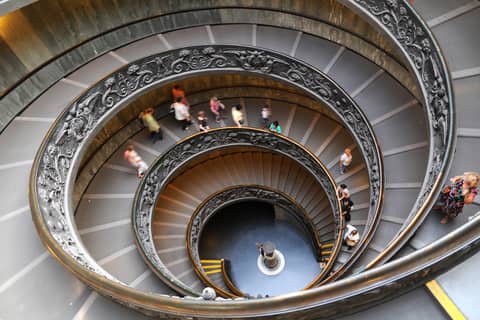 Want a closer look? Vatican: Museums & Sistine Chapel Entrance Ticket, from $36See times →
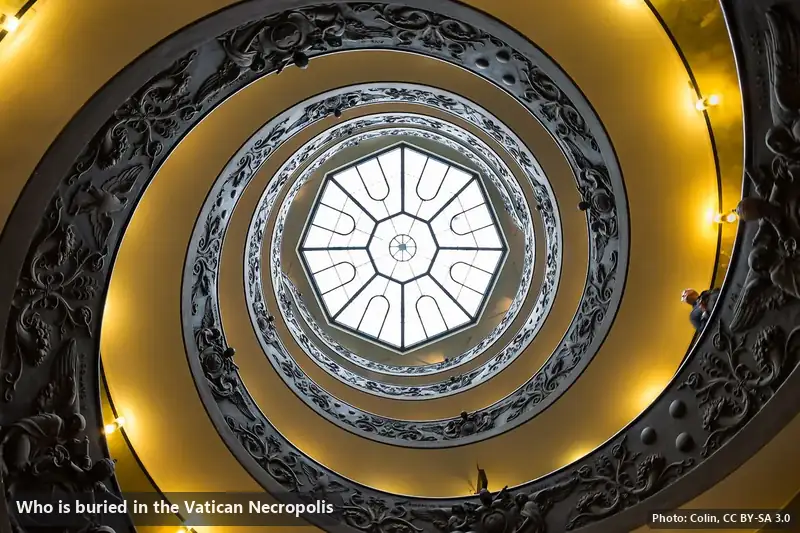
Who Are Vatican Leaders? The Pope and the Holy See
The pope and the Holy See lead different things: the pope rules Vatican City, while the Holy See is the authority that directs the Church. Both share the same small territory, yet they are not the same thing.
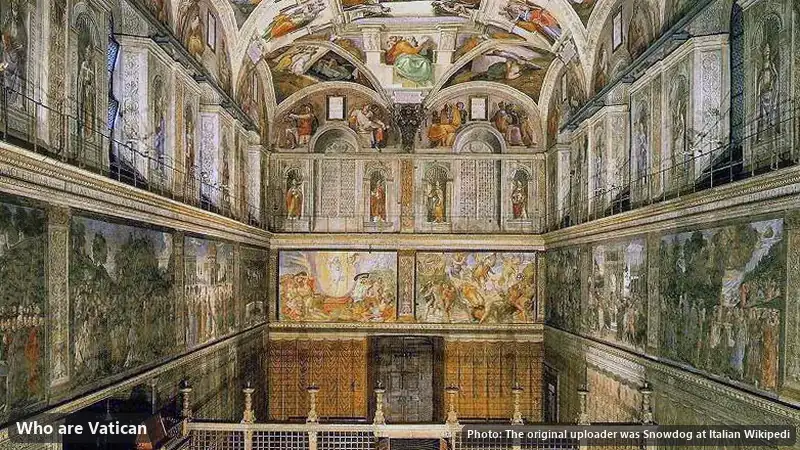 Book aheadVatican: Museums & Sistine Chapel Entrance TicketCheck availability · from $36
According to Wikipedia’s entry on Vatican City, the state is an absolute monarchy under the pope. The College of Cardinals elects him in a conclave. He delegates authority to the Pontifical Commission for Vatican City State, which acts as the state’s legislative body.
The Holy See is the episcopal see of the Diocese of Rome and the central authority of the church worldwide. It is a sovereign entity under international law. On behalf of Vatican City, it keeps diplomatic relations with 180 states and holds observer status at the United Nations.
My advice: when you read about treaties, ambassadors or Church statements, think “Holy See.” When you read about stamps, euro coins or museum rules, think “Vatican City State.” If you want the diplomatic side explained in depth, my guides to the Holy See and to the Holy See and Vatican City together go further.
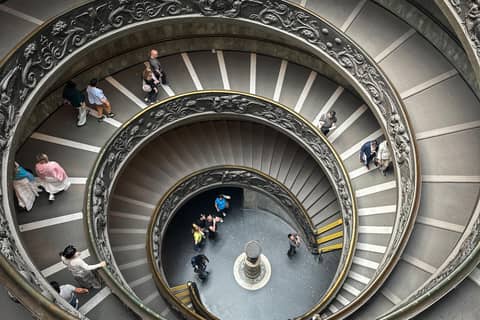 Skip the ticket line: Vatican Museums & Sistine Chapel Skip-the-Line Entry Ticket, from $53Check dates →
Why Is It Called the Holy See?
The Holy See gets its name because “see” means the seat of a bishop, and this one belongs to the bishop of Rome, the pope. It is the episcopal see of the Diocese of Rome, and it guides the Catholic Church around the world.
That wording explains an odd fact. The small state is the territory, but the Holy See is the party that signs treaties and sends diplomats. The two have shared a home since the Lateran Treaty, and both answer to the pope.
 Short on time? Vatican Museums, Sistine Chapel & St. Peter's Basilica Tour, from $60Book a slot →
How Did the Vatican Become a Country?
The Vatican became a country in 1929, following a long dispute with Italy over the pope’s lost lands. The Lateran Treaty closed that dispute and set up the modern state.
The history runs in a few clear steps, all taken from the Wikipedia entry on the city-state:
- 756: The Holy See first exercised temporal power over the Papal States, formed with a donation of Frankish territory.
- 1377: The pope returned to Rome at the end of the Avignon Papacy.
- 1870: The Kingdom of Italy captured Rome, completing Italian unification. The pope then declared himself a “prisoner in the Vatican.”
- 1929: The Roman question was settled with the Lateran Treaty, which established the modern sovereign state.
Catholic theology, as Wikipedia notes, holds that Saint Peter, an apostle of Jesus and the first pope, was crucified on Vatican Hill in the 1st century AD. That belief is why the basilica stands where it does.
Where does the name Vatican come from?
The name Vatican traces back to an Etruscan settlement, Vatica or Vaticum, in the area the Romans called Ager Vaticanus, meaning “Vatican territory.” In Roman times it was a marshy stretch on the west bank of the Tiber, which Romans considered gloomy and flood-prone.
 Prefer a guide? Rome: Vatican Museums, Sistine Chapel & Basilica Tour, from $71See tours →
Who Are Vatican Residents and How Big Is It? Facts and Figures
Vatican residents and size set a world record: it is the smallest country by area and by population. Wikipedia calls it both the smallest and the least populous country, and Wikidata supplies the numbers I use below.
Here are the figures that matter, with what each means for you as a visitor:
- Area: 0.44 km². You can cross the whole territory on foot in minutes, though the museums take hours.
- Population: 949 in 2024. You are visiting a workplace and a home for fewer than a thousand people.
- Founded: February 11, 1929. The state is younger than many of the buildings in it.
- Heritage status: a World Heritage Site. The whole city-state is protected, not only the museums.
- Currency: the euro. Euro coins from the Vatican are issued by the state itself.
- Official languages: Italian and Latin. Signs for visitors are also in English.
- Time zone: Central European Time, UTC+01:00, the same as Rome.
Wikipedia also says it is a de facto member of the Schengen Area, so crossing from Rome into the Vatican is not a border formality.
 Planning ahead? Rome: Vatican Museums, Sistine Chapel and Basilica Access, from $68Check availability →
What Is Inside the Vatican for Visitors?
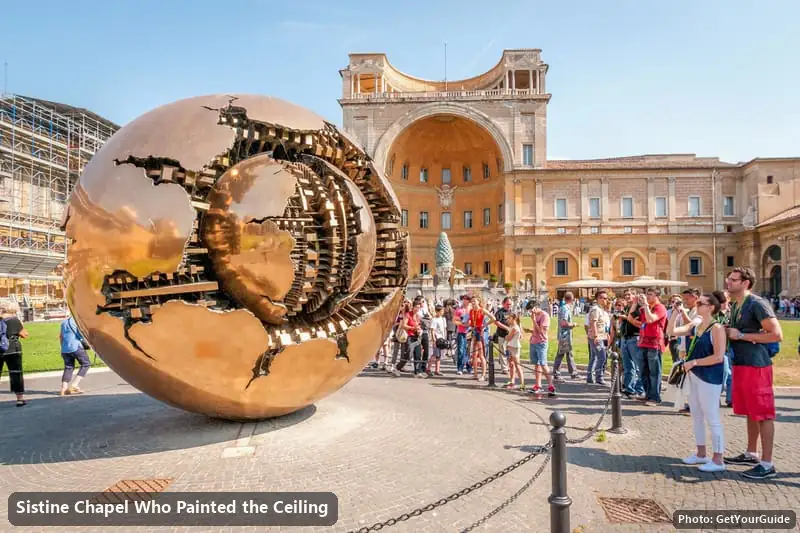
Inside the Vatican, visitors find St. Peter’s Basilica, the Sistine Chapel, the Vatican Museums, the Apostolic Palace and the Vatican Library. Wikipedia places all of these within the World Heritage city-state, and the museums and basilica are the two stops nearly everyone makes.
Vatican Museums
Art museum · ★ 4.6 · 213,480 Google reviews
00120 Città del Vaticano, Vatican City
Opening hours
- Friday8 am–8 pm
- Monday8 am–8 pm
- Saturday8 am–8 pm
- SundayClosed
- Thursday8 am–8 pm
- Tuesday8 am–8 pm
- Wednesday8 am–8 pm
Saint Peter’s Basilica
Basilica · ★ 4.8 · 185,703 Google reviews
Piazza San Pietro, 00120 Città del Vaticano, Vatican City
Opening hours
- Friday7 am–7:10 pm
- Monday7 am–7:10 pm
- Saturday7 am–7:10 pm
- Sunday7 am–7:10 pm
- Thursday7 am–7:10 pm
- Tuesday7 am–7:10 pm
- Wednesday7 am–7:10 pm
Sistine Chapel
Catholic church · ★ 4.7 · 98,723 Google reviews
00120 Città del Vaticano, Vatican City
Opening hours
- Friday8 am–8 pm
- Monday8 am–8 pm
- Saturday8 am–8 pm
- SundayClosed
- Thursday8 am–8 pm
- Tuesday8 am–8 pm
- Wednesday8 am–8 pm
The places above give you the practical layout. The Vatican Museums and the Sistine Chapel share an entry, and the basilica is a separate entrance on St. Peter’s Square. For the basilica, the Vatican Necropolis below it is a different visit with its own booking, which I cover in my Vatican Necropolis tickets guide.
The Sistine Chapel and the Museums
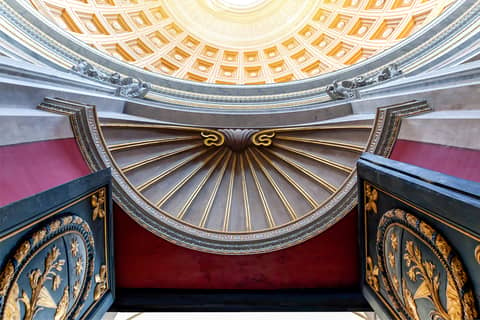
The Sistine Chapel sits on the Vatican Museums route, so one museum ticket covers both. The official Vatican Museums ticket page states that the entry ticket is valid for the Museums and the Sistine Chapel only on the day it is issued.
One GetYourGuide traveler summed up the draw of the collections after a visit:
“Truly amazing. The photos you see online don’t do the place justice. Just standing in the halls admiring some of Ancient Greek/Ancient Rome/renaissance/baroque masterpieces is beyond words. Definitely worth going too. Getting tickets online is a nightmare, so we turned up at roughly 17:00 and waited for 30/40mims to get tickets. We managed to get round the gallaries before closure, but it was a bit of rush.”
St. Peter’s Basilica
St. Peter’s Basilica is free to enter, though crowds can limit access. The Basilica’s listed hours on Google Maps run from 7 am to 7:10 pm daily, so confirm them on the official basilica site before you go.
A visitor described it this way:
“Do not miss this place for a FREE location! This is the most beautiful church I've ever been to. Once your through security and the main doors, you are truly hit by the size and artwork. We got there 645am and already there's a line but got in very quickly. If your just there for free visit, you can see most of it in 40mins. Pay extra for the other locations.”
 Most booked this week: Rome: Vatican Museums & Sistine Chapel Skip-The-Line Ticket, from $32See prices →
What Does It Cost to Visit the Vatican?
A Vatican Museums ticket costs EUR 20.00 for full entry without online booking, about $22 at the ECB reference rate of 2026-11-06. Reduced tickets are EUR 10.00, and booking skip-the-line on the official site adds EUR 5.00 to the reduced ticket.
All figures come from the official page, and exchange rates move, so I link the ECB reference rates here. Prices and hours change, so confirm them on the official Prices and Tickets page before you pay.
| Ticket | Price without online booking | With skip-the-line booking |
|---|---|---|
| Full entry | EUR 20.00 (about $22) | not stated on the official page |
| Reduced entry | EUR 10.00 (about $11) | EUR 10.00 + 5.00 |
| Students | EUR 10.00 (about $11) | EUR 10.00 + 5.00 |
| Schools | EUR 5.00 (about $6) | EUR 5.00 + 2.00 |
| Children under 7 | Free | n/a |
The Museums are also free on the last Sunday of the month, subject to the official opening calendar. Tickets cannot be refunded.
Who gets in free?
Free entry applies to children below age 7. It also covers visitors with a certified invalidity of at least 67 percent, and a companion can join them if the visitor is not self-sufficient. Free disability tickets are issued at the Special Permits or Welcome Desk in the entrance hall, not online.
Best value pick: Vatican: Museums & Sistine Chapel Entrance Ticket, from $36View dates →Where to Buy Vatican Tickets Without Scams
Vatican tickets are sold officially online only through the Vatican Museums’ own portal, and the museum warns about look-alike sites with higher prices. If you would rather have a time slot, an audio guide or a guide, a vetted reseller can arrange it. See where to buy Vatican tickets? for my comparison of every ticket type.
For a plain entry ticket, I’d look at the first two options below. They are the lowest-priced entries with the largest review counts, and the entrance instructions are clear. For a guided visit that includes the Museums, Sistine Chapel and basilica, the third option fits.
Vatican: Museums & Sistine Chapel Entrance Ticket
Powered by GetYourGuide · affiliate link
Vatican Museums & Sistine Chapel Skip-the-Line Entry Ticket
Powered by GetYourGuide · affiliate link
Vatican Museums, Sistine Chapel & St. Peter's Basilica Tour
Powered by GetYourGuide · affiliate link
Prices on those cards are in US dollars and can change, so check the date and option you choose. The tours are sold through GetYourGuide, and we are an independent guide, not the official ticket office.
Going with family? Vatican Museums & Sistine Chapel Skip-the-Line Entry Ticket, from $53Compare tickets →What Should You Know Before You Go?
Vatican dress rules apply at the Museums, the Sistine Chapel, St. Peter’s Basilica and the Vatican Gardens. The official visitor page states that sleeveless or low-cut garments, shorts above the knee, miniskirts and hats are not permitted.
Large bags, suitcases and rucksacks must go to the cloakroom, which is free of charge. Knives, scissors and metal tools must be stored there too. Animals are not allowed, except guide dogs for blind or partially sighted visitors and certified pet-therapy animals.
I’d also plan for the Museums being closed on Sundays, except the last Sunday of the month under the free-entry rule. Google Maps lists the Museums as open 8 am to 8 pm Monday to Saturday, but the official calendar decides closures.
The meeting point matters if you book a tour. Some partners meet at their own offices, not at the Museum gate, so read the meeting instructions before the day. One tour even states that St. Peter’s Square is not its meeting point.
Want a closer look? Vatican Museums, Sistine Chapel & St. Peter's Basilica Tour, from $60See times →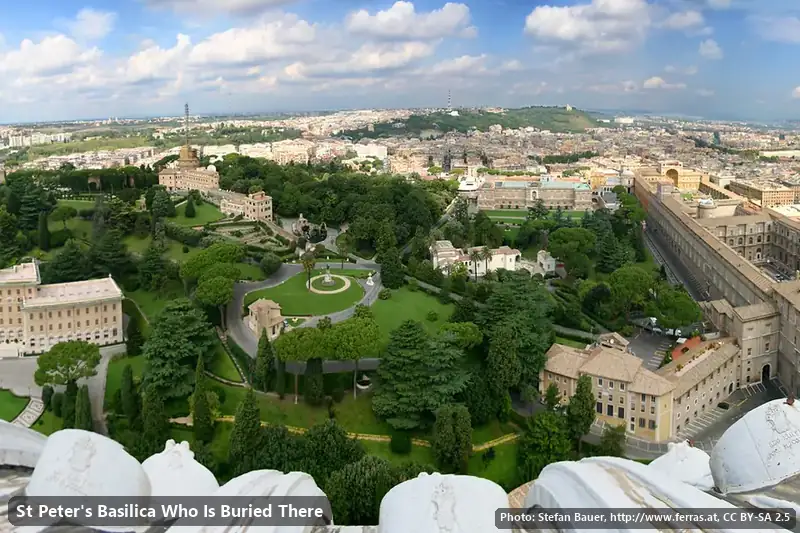
What Is the Vatican in Rome, and How Is It Different From the Church?
The Vatican in Rome is the state and its buildings, whereas the Church is the worldwide community of Catholics led by the pope. The two are linked, but you can visit one without joining the other. My guide to what the Vatican in Rome is covers the layout, and what the Vatican church is covers the religious meaning.
This is the difference that clears up most confusion about who are Vatican employees, residents or officials. They are Church officials, staff and a small number of residents of a state with fewer than a thousand people, not a single organization.
Skip the ticket line: Rome: Vatican Museums, Sistine Chapel & Basilica Tour, from $71Check dates →Who Are Vatican Visitors Really Meeting? Planning Your Day
Who Vatican visitors meet is a working city-state, so plan your day around its entrances. The Museums and Sistine Chapel are one visit, and the basilica is another, so book the timed Museum entry first and leave the basilica for the same day if your energy allows.
If you want a guide to explain the art, a guided option is worth it. One traveler booking a family tour said:
“We explored on our own a few years back, but we’re so glad we went with a guided tour this time. It made the lines much easier to handle, and all the fun facts made it totally worth it!”
For food, the place I’d look at near the walls is Ristorante Pizzeria Castello on Via delle Fornaci, rated 4.7 on Google Maps from over 18,000 reviews and listed as open 11 am to 11 pm daily.
If you want to stay on the topic and read about the wider city-state, my Vatican overview and the About Vatican City hub are the best next steps.
Short on time? Rome: Vatican Museums, Sistine Chapel and Basilica Access, from $68Book a slot →A Short Wrap-Up for Your Visit
Who are Vatican? It is a tiny sovereign state ruled by the pope, home to the Holy See and to some of the most visited art in the world. It is smaller than most city parks, yet it carries a role far larger than its size.
My practical advice is short. Treat the museums and the basilica as two visits, dress to the official rules, and book your Museums slot through the official portal or a clear reseller. If you want the whole decision laid out, book Vatican tickets online from my main guide, and always confirm prices and closures on the Vatican Museums website.
Prefer a guide? Rome: Vatican Museums & Sistine Chapel Skip-The-Line Ticket, from $32See tours →Top-rated Vatican tickets and tours
Vatican: Museums & Sistine Chapel Entrance Ticket
Powered by GetYourGuide · affiliate link
Vatican Museums & Sistine Chapel Skip-the-Line Entry Ticket
Powered by GetYourGuide · affiliate link
Vatican Museums, Sistine Chapel & St. Peter's Basilica Tour
Powered by GetYourGuide · affiliate link
Frequently asked questions
Is the Vatican a Catholic?
The Vatican is not a person, so it is not Catholic in that sense. It is the Catholic Church's home state: a city-state ruled by the pope, who is elected by the College of Cardinals. The Holy See, its governing authority, leads the worldwide Church.
Why is it called the Holy See?
The Holy See is the episcopal see of the Diocese of Rome, meaning the seat of the bishop of Rome, who is the pope. It is the central authority of the Church worldwide and a sovereign entity under international law. That is why it, not the small city-state, keeps diplomatic relations with other countries.
Can you provide a map of the Vatican City?
Vatican City covers about 0.44 square kilometers, so one walkable map covers it. The Vatican Museums and the Sistine Chapel sit on the north side. St. Peter's Basilica and its square sit to the south, and the Museums have their own entrance on Viale Vaticano.
When was the Vatican built as a state?
The modern state was established on February 11, 1929, by the Lateran Treaty. The Vatican name is much older. It comes from an Etruscan settlement, Vatica or Vaticum, in the area the Romans called Ager Vaticanus.
How many people live in Vatican City?
Wikidata lists a population of 949 for 2024. Wikipedia gives about 882 in its own count. Either way, it is the least populous country in the world.
Keep planning your visit
More About Vatican City guides
Online Vatican Tickets is an independent visitor guide. Prices and hours change: check the official Vatican Museums website before you go. Tour links are GetYourGuide affiliate links.