In this guide ▾
Vatican gov is a search that sounds simple and has a surprisingly layered answer. There is no single government portal for Vatican City. The place is run by two connected bodies, the Holy See and the Vatican City State, and each one speaks through different official websites.
I’ll sort out which is which, who actually holds power, and which site you should open depending on what you want. If you are here to plan a trip, I’ll also show you where the official channels stop and where booking help begins.
What Does Vatican Gov Actually Mean?
Vatican gov refers to the official government of Vatican City, and it comes in two layers: the Holy See and the Vatican City State. As Wikipedia explains, the Holy See is the Catholic Church’s central authority and a sovereign entity under international law, while the state is the small territory it governs.
That split is why you will not find one “.gov” style website. Many countries run their services from a single portal. The Vatican spreads them across separate .va addresses, each built for its own audience.
Here is the practical version. If you want church documents, news or papal events, you are dealing with the Holy See side. If you want information on the city-state as a territory, its offices and its services, you are dealing with the state side. If you want to see art, you are dealing with a museum website that has nothing to do with law or politics.
I find it helps to think of three doors. Government and Church matters have one door, the territory itself has another, and visitor attractions have a third. Most mistakes happen when people walk through the wrong one.
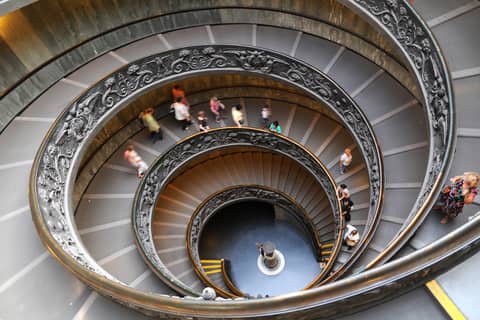 Want a closer look? Vatican: Museums & Sistine Chapel Entrance Ticket, from $36See times →
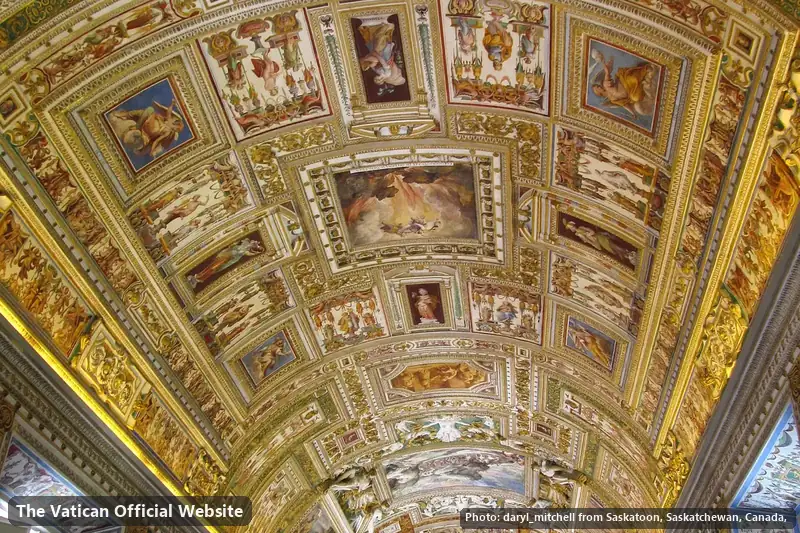
Vatican Government Websites: Which Official Site Do You Need?
Official Vatican government websites you can trust all end in .va. Wikidata names vaticanstate.va as the official website of Vatican City, and the city’s top-level domain is .va according to Wikidata.
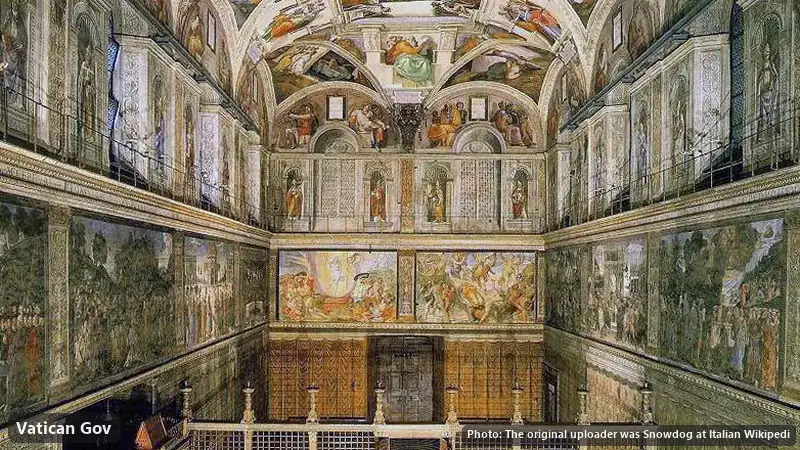 Book aheadVatican: Museums & Sistine Chapel Entrance TicketCheck availability · from $36
The table below matches common goals to the right place. I built it from the official sites named in the brief and from the visitor tools on this page.
| What you want | Where to go | What it covers |
|---|---|---|
| Information on the city-state itself | Vatican City State site | The territory and its administration |
| Museum hours, closures and tickets | Vatican Museums official site | Collections, hours, reduced tickets |
| St. Peter’s Basilica details | Basilica official site | The church in St. Peter’s Square |
| Facts about the state and its history | Vatican City on Wikipedia | Background and overview |
| Structured data such as area and population | Wikidata entry | Figures with sources |
A rule I follow: when money is involved, begin at the official museum site, check the price and the hours there, and only then compare other ways to book. Prices and hours change, so confirm them on the Vatican Museums website before you commit.
Be careful with lookalike domains. Anything that sells Vatican entry and does not end in .va is a reseller, not the museum itself. Resellers are legal and often convenient, but they are not the Vatican government, and you should read what you are buying.
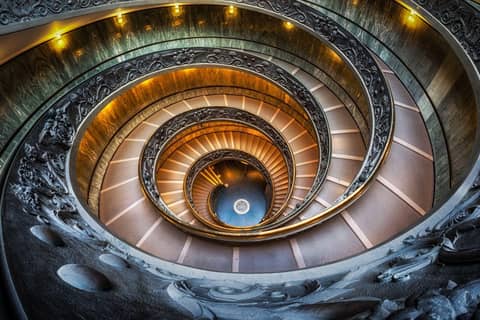 Skip the ticket line: Vatican Museums, Sistine Chapel & St. Peter's Basilica Tour, from $60Check dates →
Who Runs the Vatican Government?
The Vatican government is run by the pope as an absolute monarch, and he hands the state’s legislative work to the Pontifical Commission for Vatican City State. Per Wikipedia, the College of Cardinals elects the pope through conclaves, and Wikidata lists Leo XIV as head of state.
Day-to-day administration sits with a head of government. Wikidata lists Raffaella Petrini in that role. I would treat names as the most changeable detail on any page about this subject, so check the official state site if you need a current office-holder for something formal.
Here is how the pieces fit together:
- The pope is head of state and the head of the Catholic Church.
- The Pontifical Commission for Vatican City State acts as the state’s legislative body, as Wikipedia describes it.
- The Holy See handles foreign relations. It maintains diplomatic relations with 180 states and is an observer state of the United Nations.
The modern arrangement dates from 1929. Italian unification ended with the capture of Rome in 1870, after which the pope declared himself a “prisoner in the Vatican.” The Lateran Treaty settled that “Roman question” and created the modern sovereign state.
If you want the wider picture of how the city works as a place, my overview of the Catholic Church in Vatican City goes through the institutions you will see signs of during a visit.
 Short on time? Rome: Vatican Museums, Sistine Chapel & Basilica Tour, from $71Book a slot →
Vatican City by the Numbers
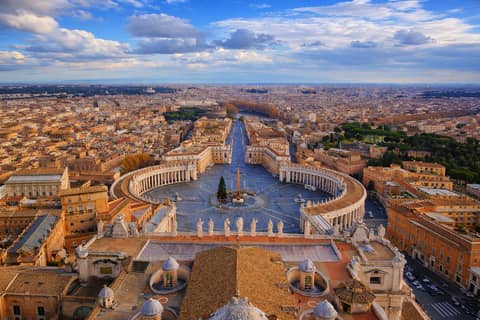
Vatican City by the numbers shows just how tiny the state is. The Wikidata record gives an area of 0.44 km² and a 2024 population of 949, so it is smaller than most city parks and busier than its headcount suggests.
Here are the figures that matter for a visitor, each from Wikidata:
- Area: 0.44 km². You can cross the whole state on foot in minutes, so the long part of any visit is the queues and the galleries, not the walking.
- Inception: February 11, 1929. That is the date the modern state was created, which explains why so many institutions feel both ancient and recently organized.
- Population: 949 in 2024. Very few people live here, so almost everyone you meet inside the walls is working or visiting.
- Heritage designation: World Heritage Site. The whole city-state carries the designation, which is why the collections and buildings are so tightly managed.
- Currency: the euro. You pay in the same money as in Rome, so no exchange step is needed once you are inside.
- Official languages: Italian and Latin. Signs and official documents lean on both, but visitor information is available in English.
- Time zone: Central European Time, UTC+01:00. This matters when you book a timed ticket from the United States, because the slot is in local time.
Two extra details are fun and a little useful. The country calling code is +379, and the top-level internet domain is .va. The domain is the one that tells you whether a site is official.
 Prefer a guide? Vatican Museums & Sistine Chapel Skip-the-Line Entry Ticket, from $53See tours →
Is the Vatican a Real Country, and Can You Just Walk In?
The Vatican is a real country in legal terms: a sovereign city-state. Wikipedia calls it a landlocked enclave within Rome and the smallest country by area and the least populous. For travelers, that also means no passport booth stands at the edge of St. Peter’s Square.
The better question for most visitors is what you can enter freely and what needs a ticket. St. Peter’s Basilica is the clearest example. One Google Maps reviewer wrote that it is a free location and that you can see most of it in about 40 minutes if you only want the free visit.
“Do not miss this place for a FREE location! This is the most beautiful church I've ever been to. Once your through security and the main doors, you are truly hit by the size and artwork. We got there 645am and already there's a line but got in very quickly. If your just there for free visit, you can see most of it in 40mins. Pay extra for the other locations.”
The museums work differently. They use timed entry, and the Sistine Chapel is reached through the museums route. Google Maps lists both the museums and the chapel as open from 8 am to 8 pm Monday to Saturday and closed Sunday, but treat those hours as a rough guide and confirm them on the official site. If you are weighing a Sunday plan, my page on visiting the Vatican on a Sunday covers what is open and what is not.
Vatican Museums
Art museum · ★ 4.6 · 213,480 Google reviews
00120 Città del Vaticano, Vatican City
Opening hours
- Friday8 am–8 pm
- Monday8 am–8 pm
- Saturday8 am–8 pm
- SundayClosed
- Thursday8 am–8 pm
- Tuesday8 am–8 pm
- Wednesday8 am–8 pm
Saint Peter’s Basilica
Basilica · ★ 4.8 · 185,703 Google reviews
Piazza San Pietro, 00120 Città del Vaticano, Vatican City
Opening hours
- Friday7 am–7:10 pm
- Monday7 am–7:10 pm
- Saturday7 am–7:10 pm
- Sunday7 am–7:10 pm
- Thursday7 am–7:10 pm
- Tuesday7 am–7:10 pm
- Wednesday7 am–7:10 pm
Sistine Chapel
Catholic church · ★ 4.7 · 98,723 Google reviews
00120 Città del Vaticano, Vatican City
Opening hours
- Friday8 am–8 pm
- Monday8 am–8 pm
- Saturday8 am–8 pm
- SundayClosed
- Thursday8 am–8 pm
- Tuesday8 am–8 pm
- Wednesday8 am–8 pm
For a broader look at who can come in at all, see my guide to whether anyone can visit the Vatican.
 Planning ahead? Rome: Vatican Museums, Sistine Chapel and Basilica Access, from $68Check availability →
How Do You Use Official Vatican Websites to Plan a Visit?
Official Vatican websites work best in this order: the museum site first, then the basilica site, with the city-state site for background. The order mirrors how most trips come together, since the museums need a timed slot, the basilica is mostly walk-in, and the state site explains the setting.
On the museum site, look for opening hours and temporary closures first. The home page links straight to an “Opening hours and temporary closures” page, and that is where a closure will be posted before it reaches any other site. Do this check the week you travel, not months ahead.
Next, look at the ticket categories. The museum’s reduced student ticket is a good example of how strict the rules are. It is reserved for students up to and including 25 years of age who hold a document from their school or university confirming enrollment for the current year. The page warns that a visitor who buys a reduced ticket without entitlement must buy a new full-price ticket, and that the reduced ticket cancelled in that case cannot be refunded.
That detail is a good model for how to read any official page. The rule is short, the penalty is clear, and nothing is left to interpretation.
If you are building your whole trip around the official channels, I’d also read my best way to visit Vatican City page. It puts the museums, the basilica and the square into one sensible order.
 Most booked this week: Rome: Vatican Museums & Sistine Chapel Skip-The-Line Ticket, from $32See prices →
Official Vatican Tickets Versus Booking Through a Reseller
Official Vatican tickets come from the museum site, which is also the source for hours, closures and ticket rules. A reseller such as GetYourGuide brings convenience instead: a fixed time slot, a confirmation, and sometimes an audio guide or a live guide. It does not replace the museum’s own rules, and we are not the official ticket office.
Here is the comparison I use when someone asks me which route to take:
- Official museum site: best for confirming hours, closures and reduced-ticket rules.
- Reseller listing: best when you want a guided tour, a bundled basilica option, or a meeting point close to the entrance.
The tour data in this brief shows what a typical listing includes. The top-rated entry ticket, Vatican: Museums & Sistine Chapel Entrance Ticket, is listed at $36.21 with a 4.48 rating from 160,009 reviews. It includes skip-the-ticket-line entry and a booking fee, and the audio guide is included if you pick that option. It does not include a guided tour, a basilica ticket or the dome.
Guided options cost more. A listed museums, Sistine Chapel and basilica tour is $60.17, and a tour led by a licensed guide with headsets is $71.31. Those are the prices shown at the time the data was gathered, so check the live listing before you plan around them.
If you want to see every option side by side, I’d start with Vatican tickets online, and then narrow down by whether you want a guide.
Vatican: Museums & Sistine Chapel Entrance Ticket
Powered by GetYourGuide · affiliate link
Vatican Museums, Sistine Chapel & St. Peter's Basilica Tour
Powered by GetYourGuide · affiliate link
Rome: Vatican Museums, Sistine Chapel & Basilica Tour
Powered by GetYourGuide · affiliate link
One traveler from Ireland summed up the entry-ticket option simply as good value for money. I would add one practical tip: the listing tells you to go straight to the entrance on Viale Vaticano and not to arrive outside your assigned time slot.
“value for money. I am glad that I choose this option. really helpful. thank you”
Best value pick: Vatican: Museums & Sistine Chapel Entrance Ticket, from $36View dates →How to Read a Vatican Ticket Page Without Getting Burned
A Vatican ticket page should be checked for three things before you pay: what is included, what is excluded, and where you meet. Those three lines settle most complaints, and a proper listing always spells them out.
On the entry ticket, for example, the exclusions are clear. A guided tour is not included, and neither is the dome. The listing also notes that St. Peter’s Basilica is free of charge, but that access is not guaranteed, because it may vary due to crowd control.
Meeting points deserve their own check. One listed tour meets at a partner office rather than at the museum door, and its description says that St. Peter’s Square is not the meeting point. Another asks you to arrive 15 minutes before your start time and warns that latecomers are not guaranteed skip-the-line entry.
I’d also read the review summaries, because they point at the same few weak spots. Reviewers praise skip-the-line access and knowledgeable guides. The recurring complaint is unclear directions or unclear inclusions, especially about St. Peter’s Basilica. If a listing leaves you unsure whether the basilica is a guided visit, assume it is not until it says so.
Going with family? Vatican Museums, Sistine Chapel & St. Peter's Basilica Tour, from $60Compare tickets →
Where Do the Vatican Government Pages Fit Into a Day in Rome?
Vatican government pages help you plan, but the day itself follows the museum and basilica schedules. Google Maps lists the basilica as open from 7 am to 7:10 pm every day of the week, while the museums close on Sundays, so a Sunday visit is a basilica day.
That is the single biggest planning point I can pull from the data. If your only free day is Sunday, you are choosing the basilica and the square, not the Sistine Chapel. Plan around that instead of hoping a closure turns out to be a mistake.
For food, one place in the data is a short walk away. Ristorante Pizzeria Castello is on Via delle Fornaci in Rome, is rated 4.7 from 18,643 reviews, and is listed as open from 11 am to 11 pm daily. It is useful as a place to regroup between the morning and a second stop.
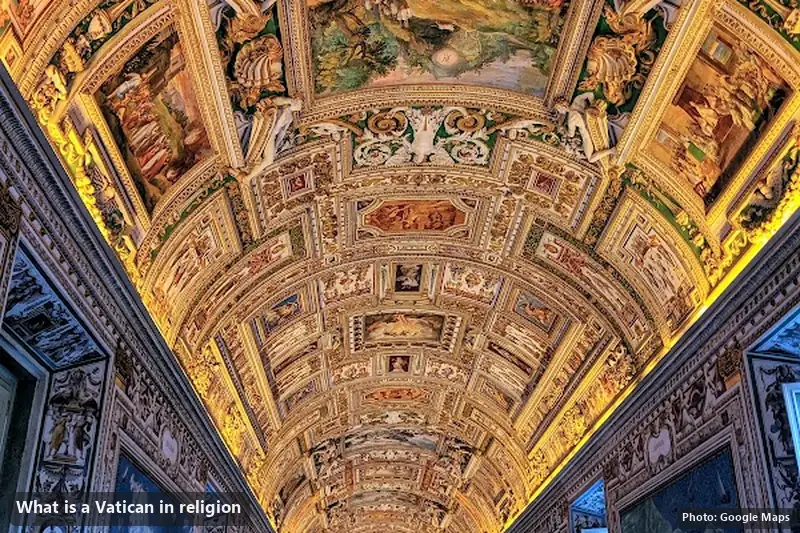
As for what the museums actually hold, the official site lists galleries such as the Pio Clementino Museum, the Pinacoteca, Raphael’s Rooms and the Sistine Chapel. If you want the art itself, my page on art in the Vatican Museums goes gallery by gallery.
Want a closer look? Rome: Vatican Museums, Sistine Chapel & Basilica Tour, from $71See times →Vatican Gov Questions I See Most Often
Vatican gov questions mostly boil down to who is in charge, which site is real, and what is free. In short, the pope leads, the .va domain marks official sites, and the basilica is free while the museums are ticketed.
A few more answers, kept brief:
- Is there one Vatican gov homepage? No. The Holy See, the city-state and the museums each run separate .va sites.
- Where do I confirm closures? On the museum’s own hours page, which is the authority for temporary closures.
- Is the Vatican part of Italy? It is an enclave inside Rome but a separate sovereign state, according to Wikipedia.
- Does the Vatican have its own money? It uses the euro and issues its own euro coins.
If you want to go deeper on the place as a whole, my Vatican pillar guide and the About Vatican City hub collect everything in one order. For addresses and the postcode, the short page on 00120 Vatican is a quick reference.
Skip the ticket line: Vatican Museums & Sistine Chapel Skip-the-Line Entry Ticket, from $53Check dates →Final Practical Notes on the Vatican Gov Question
The Vatican gov question has a simple practical answer: rely on .va sites for rules and hours, and turn to a reseller only for convenience or a guide. Nothing in the data suggests the two compete, because they do different jobs.
My own recommendation, if you want one, is this. Check the official hours page the week you travel. Decide whether you want a guide or an audio guide. Then book a timed slot that leaves room for the security line, because every listing in the data stresses the assigned time.
If you want the guided version, a licensed-guide tour that adds the basilica is the most complete option in the data, and the entry-only ticket is the cheapest. Compare them on skip-the-line Vatican tickets before you decide, and keep the official site open in another tab for the rules.
Last, remember what a Vatican gov search is really asking. You are not looking for a ministry. You are looking for the right door, and now you know there are three of them.
Short on time? Rome: Vatican Museums, Sistine Chapel and Basilica Access, from $68Book a slot →Top-rated Vatican tickets and tours
Vatican: Museums & Sistine Chapel Entrance Ticket
Powered by GetYourGuide · affiliate link
Vatican Museums, Sistine Chapel & St. Peter's Basilica Tour
Powered by GetYourGuide · affiliate link
Rome: Vatican Museums, Sistine Chapel & Basilica Tour
Powered by GetYourGuide · affiliate link
Frequently asked questions
Who is the head of state of Vatican City?
The head of state is the pope, currently Leo XIV according to Wikidata. The pope is elected by the College of Cardinals in a conclave, and he delegates much of the state's daily legislative work to the Pontifical Commission for Vatican City State.
Is Vatican City a country?
Yes. Vatican City is a landlocked sovereign city-state inside Rome, and Wikipedia calls it both the smallest country by area and the least populous. It was established as a modern state by the Lateran Treaty in 1929.
What currency does Vatican City use?
Vatican City uses the euro. It issues its own euro coins, and it is a de facto member of the Schengen Area, so your euros work the same way they do in Rome.
What is the internet domain of Vatican City?
The top-level domain is .va, according to Wikidata. Official pages for the Vatican Museums, St. Peter's Basilica and the city-state all sit on .va addresses.
Do I need a visa to visit Vatican City?
I cannot confirm entry rules from official sources, so check your own country's requirements before you travel. What I can say is that Vatican City is an enclave inside Rome, and many sites, such as St. Peter's Basilica, are open to visitors without a ticket.
Keep planning your visit
More About Vatican City guides
Online Vatican Tickets is an independent visitor guide. Prices and hours change: check the official Vatican Museums website before you go. Tour links are GetYourGuide affiliate links.