In this guide ▾
Roman Vatican City is a phrase many travelers use for the Vatican, and it points at something real: the smallest country in the world sits inside the city of Rome. It is a landlocked sovereign city-state ruled by the pope, and it is also the administrative center of the Catholic Church.
I wrote this page to untangle the two names. You will see where Rome ends and the Vatican begins, how the border came about, which facts are worth knowing, and how to plan a visit that does not waste your morning in a line.
Was Vatican City a Part of Rome?
Vatican City is not part of Rome in any legal sense today. It stands as an independent state and an enclave within the city of Rome, so Italian territory wraps around it on every side.
That is why “Roman Vatican City” works as a geographic phrase but not as a political one. The Vatican sits on the west bank of the Tiber, and Rome’s streets run right up to its walls. The Holy See, which governs the state, is itself a sovereign entity under international law.
The modern state was created on February 11, 1929. Wikidata gives that date as its inception, and the same date appears in the treaty that set up the state.
If you are planning a trip, the practical point is simple. You travel through Rome to reach the Vatican, and you cross a short, informal line to enter it. Nothing about the walk feels like a border crossing, but the legal difference is real.
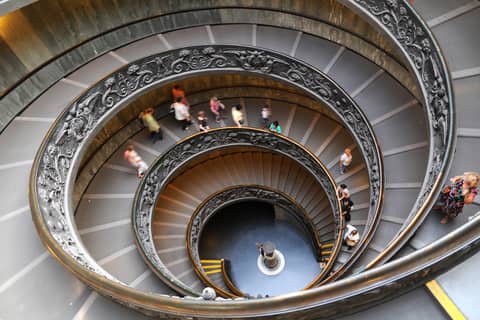 Want a closer look? Vatican: Museums & Sistine Chapel Entrance Ticket, from $36See times →
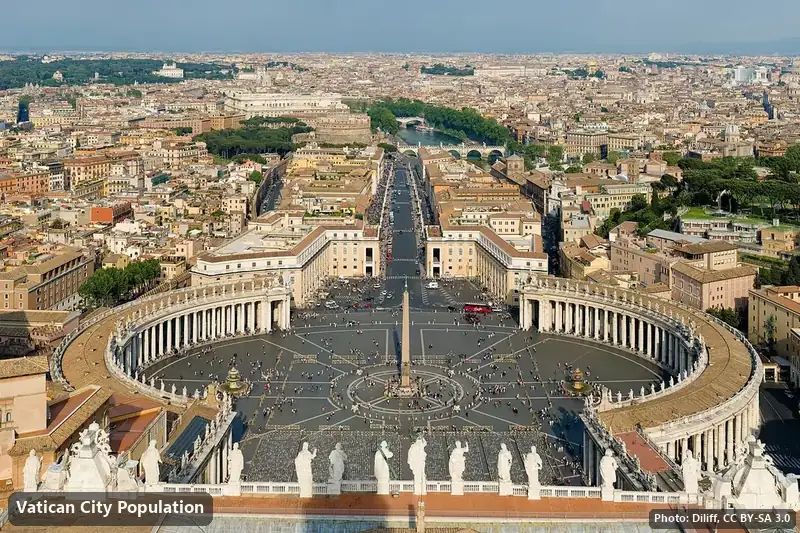
What Was Vatican City Before Christianity?
Vatican City before Christianity was a marshy stretch on the west bank of the Tiber that Romans avoided as a place to live. Under the Roman Republic the name “Vatican” already labeled the Ager Vaticanus, a low-lying district across the river from the city.
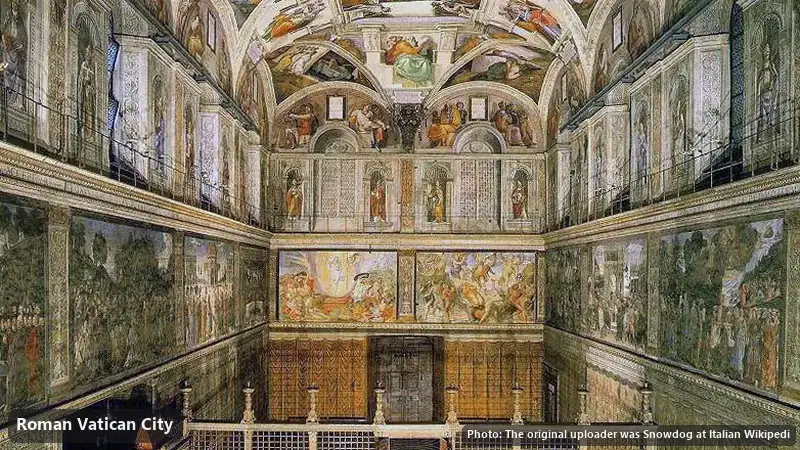 Book aheadVatican: Museums & Sistine Chapel Entrance TicketCheck availability · from $36
According to the same article, Romans considered this originally uninhabited area dismal. It sat near the rival Etruscan city of Veii, and it was subject to floods of the Tiber. The word itself comes from an Etruscan settlement called Vatica or Vaticum.
Later, the name narrowed to the Vatican Hill, which covers today’s St. Peter’s Square and possibly the Via della Conciliazione. So the “Roman” part of Roman Vatican City is very old, but the Vatican started as a district at the edge of Rome rather than a sacred center.
Catholic theology then connects the hill to Saint Peter. The tradition holds that Saint Peter was crucified on Vatican Hill in the 1st century AD. That tradition is why the area later became the site of the basilica.
If you want to go underground and see the ancient tombs, the official basilica website describes the Necropolis under the central nave, which holds ancient Roman and early Christian tombs. It is a separate booking from a normal basilica visit, so plan it ahead.
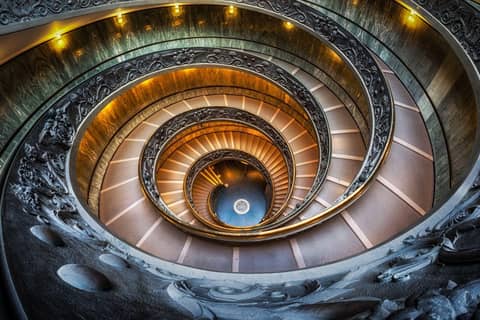 Skip the ticket line: Vatican Museums, Sistine Chapel & St. Peter's Basilica Tour, from $60Check dates →
How the Roman Question Ended in 1929
The Roman Question was settled by the Lateran Treaty of 1929, which created the modern state of Vatican City. That treaty closed a standoff dating back to Italy’s capture of Rome in 1870.
Here is the short timeline from Wikipedia’s account:
- 756: The Holy See first exercised temporal power over the Papal States, formed with a donation of Frankish territory.
- 1377: The pope returned to Rome at the end of the Avignon Papacy.
- 1870: The Kingdom of Italy captured Rome, and the pope declared himself a “prisoner in the Vatican.”
- 1929: The Lateran Treaty established the sovereign state of Vatican City.
The name “Vatican City” was first used in that treaty, signed on 11 February 1929, and it is named after Vatican Hill. In Italian it is Città del Vaticano, and in Latin it is Status Civitatis Vaticanae.
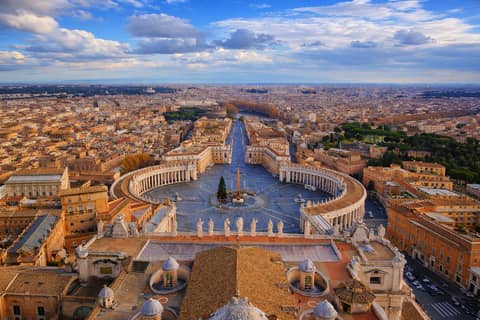
I find this timeline useful when you stand in St. Peter’s Square. The open space, the colonnades and the basilica were all part of Rome for centuries before they became a separate country. The border is a legal line drawn through a place that has always been part of the Roman story.
 Short on time? Rome: Vatican Museums, Sistine Chapel & Basilica Tour, from $71Book a slot →
Is Vatican City a Country?
Vatican City is a country, and it holds the records for smallest area and fewest people. It operates as an absolute monarchy under the pope. The pope is elected by the College of Cardinals through conclaves and delegates authority to the Pontifical Commission for Vatican City State.
The Holy See, not the city-state itself, handles diplomacy. On behalf of Vatican City, the Holy See keeps diplomatic relations with 180 states and is an observer state of the United Nations.
For visitors the most useful details are everyday ones. The Vatican uses the euro, so you can pay as you would in Rome. It is a de facto member of the Schengen Area, so there is no passport desk at the edge of the square. Security checks at the museums and the basilica are a separate matter, and you should expect them.
 Prefer a guide? Vatican Museums & Sistine Chapel Skip-the-Line Entry Ticket, from $53See tours →
Roman Vatican City by the Numbers
Roman Vatican City by the numbers comes from Wikidata’s entry for the state. These are the figures I would hold in mind when you compare it to the Rome around it. Each one links back to the Wikidata record for Vatican City.
- Area: 0.44 km². Wikidata lists 0.44 km², while the Wikipedia article gives 0.49 square kilometres. Either way, you can walk across the state in minutes, but the museums alone take hours.
- Population: 949 (2024). Per Wikidata, fewer than a thousand people live here. Most visitors are day trippers from Rome.
- Inception: 1929-02-11. The date of the Lateran Treaty is the start of the modern state.
- Heritage designation: World Heritage Site. Wikidata records the whole state as a World Heritage Site, which includes the basilica, the Sistine Chapel, the Apostolic Palace, the Vatican Library and the museums.
- Currency: euro. Wikidata confirms the euro, so budgeting works the same as in Rome.
- Official languages: Italian and Latin. Signs and tickets will mostly use Italian, but English is widely supported at visitor sites.
- Head of state: Leo XIV. Wikidata names the pope as head of state, with Raffaella Petrini as head of government.
One more detail helps with calls and websites. The country code is +379, the time zone is Central European Time (UTC+01:00), and the internet domain is .va. When you see a .va address, you are looking at an official Vatican source.
 Planning ahead? Rome: Vatican Museums, Sistine Chapel and Basilica Access, from $68Check availability →
Can You Just Walk Into Vatican City in Rome?
You can walk into Vatican City from Rome, since no passport control stands at the edge of St. Peter’s Square. The museums and the Sistine Chapel are different, because they need a timed ticket or a spot in a queue.
The square and the basilica are the open parts of the visit. According to GetYourGuide’s ticket data, entry to St. Peter’s Basilica is free of charge, but access is not guaranteed because crowd control can change it. The dome is a separate ticket.
The Vatican Museums work differently. They sit on Viale Vaticano, and the ticket listing says you should go directly to the museum entrance and arrive within your assigned time slot. Maps data lists them as open from 8 am to 8 pm Monday through Saturday and closed on Sunday. Hours change, so check the official Vatican Museums site before you go.
My advice is to treat the day as two visits. Do the museums and the Sistine Chapel on a timed slot, then walk over to the basilica. A ticket that fixes your museum time takes away the part of the day that goes wrong most often.
What the Basilica Offers Beyond a Walk-Through
The basilica offers several bookable extras beyond a walk-through: the Treasury Museum, the Necropolis, guided tours and a digital audio guide, all listed on the official site. You can find them on the official St. Peter’s Basilica website.
If you only have one morning, I would skip the extras and see the main nave. If you have a second day, the Necropolis is the one that adds something you cannot get from a photograph.
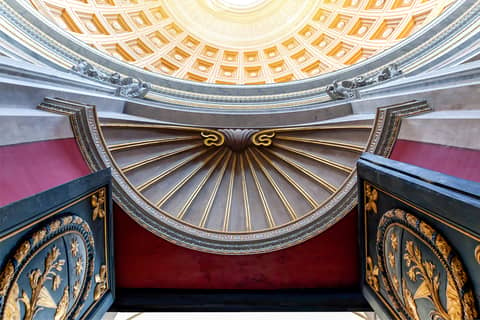 Most booked this week: Rome: Vatican Museums & Sistine Chapel Skip-The-Line Ticket, from $32See prices →
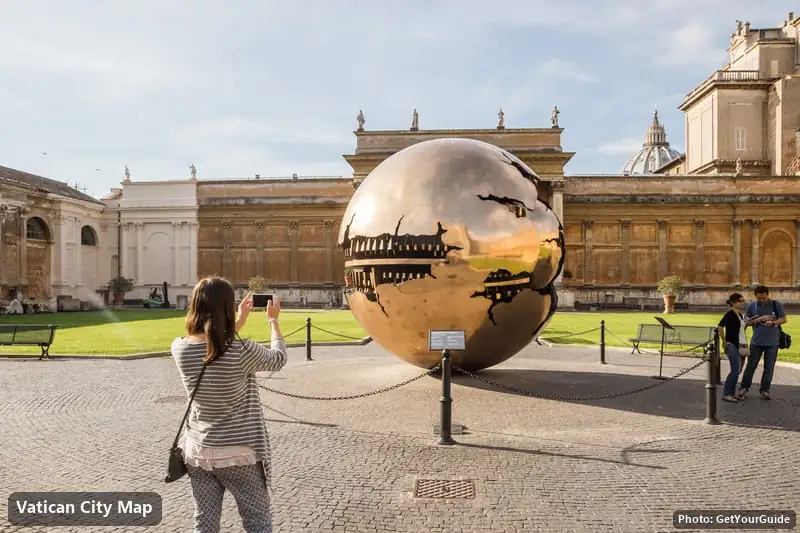
Which Tickets Work Best for Roman Vatican City?
The best Roman Vatican City tickets for a museum visit are a timed entry ticket or a guided tour. The options below come from our tour data, with prices in US dollars as the operators list them.
| Option | Format | Price (USD) | Rating | Best for |
|---|---|---|---|---|
| Museums & Sistine Chapel entrance ticket | Self-guided, audio guide optional | from $36.21 | 4.48 (160,009 reviews) | Going at your own pace |
| Museums, Sistine Chapel & Basilica tour | Guided, 2 to 3 hours | from $60.17 | 4.27 (86,949 reviews) | A short guided overview |
| Museums, Sistine Chapel & Basilica tour (Crown Tours) | Guided, 2 to 4 hours | from $71.31 | 4.65 (19,481 reviews) | Basilica and dome upgrades |
Prices and options change, so confirm them on the booking page. If you want the whole picture of ticket types, you can compare Vatican tickets side by side before you choose.
Self-Guided or Guided?
A self-guided visit suits you if you already know what you want to see. The entrance ticket lists a dedicated entrance and an audio guide at a desk inside, and it excludes a guided tour. Travelers on that listing say timed entry makes access easier, though some wish the queue directions were clearer.
A guided tour suits you if the Vatican feels like too much. The Crown Tours option lists a licensed guide, audio headsets, and optional Basilica and dome access with an elevator to the terrace. Reviewers on that listing praise the guides, and some ask for more reliable audio equipment.
Read the inclusions carefully on every listing. Several tours say the Basilica is an option, and some say the Basilica visit is not guided. That is the detail travelers most often say they wish they had known.
Vatican: Museums & Sistine Chapel Entrance Ticket
Powered by GetYourGuide · affiliate link
Vatican Museums, Sistine Chapel & St. Peter's Basilica Tour
Powered by GetYourGuide · affiliate link
Rome: Vatican Museums, Sistine Chapel & Basilica Tour
Powered by GetYourGuide · affiliate link
As one traveler wrote after using the entrance ticket:
“value for money. I am glad that I choose this option. really helpful. thank you”
For a deeper look at how tickets compare and what each one includes, my guide to Roman Vatican tickets covers the choices in more detail.
Best value pick: Vatican: Museums & Sistine Chapel Entrance Ticket, from $36View dates →What to See Once You Are Inside Roman Vatican City
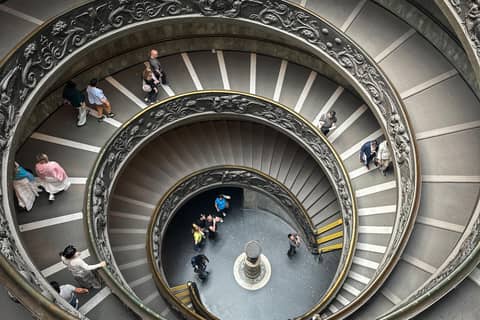
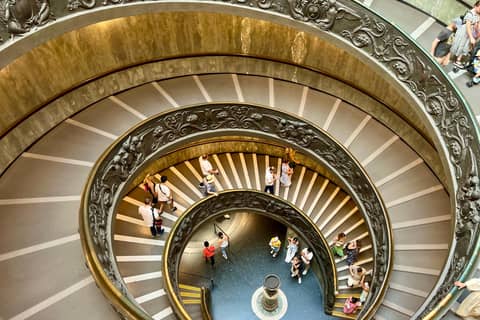
What to see inside Roman Vatican City starts with the headline sights Wikipedia names: St. Peter’s Basilica, the Sistine Chapel, the Apostolic Palace, the Vatican Library and the Vatican Museums. Most people fit the museums, the chapel and the basilica into a single day.
The tour listings add more detail on what the museums hold. One lists over 20,000 works of art by painters like Michelangelo and Raphael in its highlights, and several highlight Michelangelo’s The Creation of Adam in the Sistine Chapel. Guided options also point to the Pietà and Bernini’s Baldachin in the basilica.
Here is how I would order the day:
- Arrive for your museum slot early, inside the time on the ticket.
- Walk the galleries toward the Sistine Chapel without stopping at every room.
- Leave through the museum exit and head to St. Peter’s Square.
- Enter the basilica, and decide on the dome last, since it needs separate access.
If you want to understand the faith that shaped the state, the link between the Church and this land is covered in the Roman Catholic Vatican City guide. For the Church’s own structure, see what the Roman Catholic Church and Vatican City mean in practice.
Going with family? Vatican Museums, Sistine Chapel & St. Peter's Basilica Tour, from $60Compare tickets →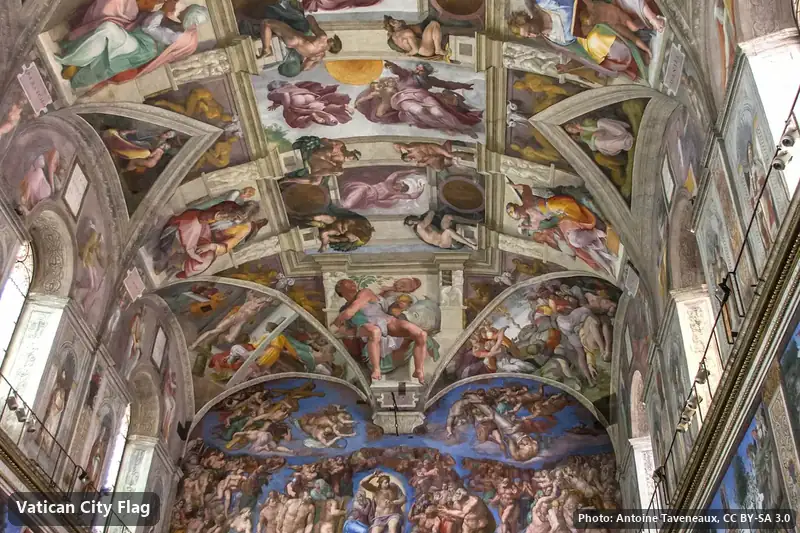
Where to Eat Near the Vatican
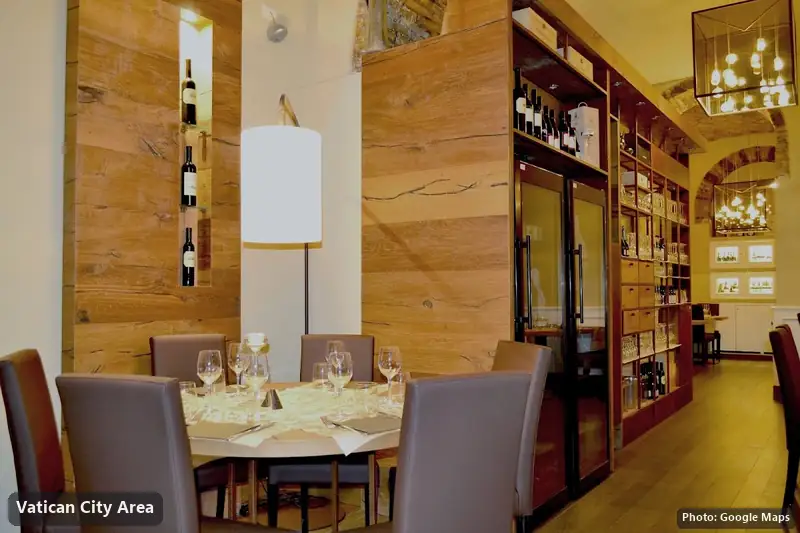
Where to eat near the Vatican is easy to answer, since the streets outside its walls hold several well-rated Roman restaurants and a sit-down lunch breaks up the day nicely. The three below come from Maps data and sit a short walk from the museum entrance area.
Osteria delle Commari
Roman restaurant · ★ 4.4 · 2,085 Google reviews
Via Santamaura, 23, 00192 Roma RM, Italy
Opening hours
- Friday12–10 pm
- Monday12–10 pm
- Saturday12–10 pm
- Sunday12–10 pm
- Thursday12–10 pm
- Tuesday12–10 pm
- Wednesday12–10 pm
La cantina di Cesare -Osteria-
Roman restaurant · ★ 4.7 · 1,846 Google reviews
Via Candia, 42, 00192 Roma RM, Italy
Opening hours
- Friday11:30 am–11 pm
- Monday11:30 am–11 pm
- Saturday11:30 am–11 pm
- SundayClosed
- Thursday11:30 am–11 pm
- Tuesday11:30 am–11 pm
- Wednesday11:30 am–11 pm
Ristorante Pasta Roma & pizza
Roman restaurant · ★ 4.7 · 440 Google reviews
Via Sebastiano Veniero, 18, 00192 Roma RM, Italy
Opening hours
- Friday10 am–10 pm
- Monday10 am–10 pm
- Saturday10 am–10 pm
- SundayClosed
- Thursday10 am–10 pm
- Tuesday10 am–10 pm
- Wednesday10 am–10 pm
Osteria delle Commari is listed with a 4.4 rating, La cantina di Cesare with 4.7, and Ristorante Pasta Roma & pizza with 4.7. Two of the three are listed as closed on Sunday, so check hours if your visit falls on a Sunday. Many visitors choose the restaurants on Via Sebastiano Veniero because it is near the museum exit.
A reviewer at one of them put it this way:
“Very tasty, fresh ingredientes and truly delicious! Loved these authentic flavors, specially the meatballs with bread… might seem simple but it’s amazing! A must try”
Want a closer look? Rome: Vatican Museums, Sistine Chapel & Basilica Tour, from $71See times →Roman Vatican City and the Wider Church
Roman Vatican City and the wider Church are linked through the Holy See, which is the central authority of the Church worldwide and also governs Vatican City. Many people who search the phrase want to know exactly how the two relate.
The Catholic Church’s structure is its own topic, and the wording matters. The terms “Roman Catholic Church” and “Vatican” are often used together, and I cover how they overlap in the guide to the Roman Catholic Church and the Vatican. For the bigger picture of the whole site, start with the Vatican overview.
The state’s own words help. As Wikipedia puts it:
“Vatican City, officially the Vatican City State, is a landlocked sovereign city-state in Southern Europe.”
If you want more background on the place itself before you plan, the About Vatican City hub collects every page on the state, its history and its institutions.
Skip the ticket line: Vatican Museums & Sistine Chapel Skip-the-Line Entry Ticket, from $53Check dates →Planning Your Roman Vatican City Visit
Planning your Roman Vatican City visit comes down to three steps: book a timed museum slot, save the basilica for afterward, and check official pages for hours. Doing so removes the two biggest sources of stress, the queue and the clock.
A short checklist:
- Book the museums first. The timed slot decides the rest of your day. If you want help choosing, you can book Vatican tickets online and compare formats.
- Respect the time on your ticket. One listing warns that latecomers are not guaranteed skip-the-line entry, so aim to arrive early.
- Plan the basilica separately. Entry is free, but access can change with crowd control, and extras like the dome are booked separately.
- Confirm prices and hours on official pages. Use the Vatican Museums site and the basilica site for current details.
- Know the city around you. The state is small, so the real distance you cover is the walk from your hotel or metro stop in Rome.
My recommendation is to start with the guided or entrance option that fits your pace, then build the rest of the day around it. The tours below are the ones I’d look at first.
Vatican Museums & Sistine Chapel Skip-the-Line Entry Ticket
Powered by GetYourGuide · affiliate link
Rome: Vatican Museums, Sistine Chapel and Basilica Access
Powered by GetYourGuide · affiliate link
Roman Vatican City rewards a little planning more than most sights, because the country is tiny but the crowds are not. Get the order right, and the Vatican becomes a half-day that you remember for the art rather than for the line.
Short on time? Rome: Vatican Museums, Sistine Chapel and Basilica Access, from $68Book a slot →Top-rated Vatican tickets and tours
Vatican: Museums & Sistine Chapel Entrance Ticket
Powered by GetYourGuide · affiliate link
Vatican Museums, Sistine Chapel & St. Peter's Basilica Tour
Powered by GetYourGuide · affiliate link
Rome: Vatican Museums, Sistine Chapel & Basilica Tour
Powered by GetYourGuide · affiliate link
Frequently asked questions
Is Vatican City a country?
Yes. Vatican City is a sovereign city-state, and it is the smallest country in the world by area and by population. It is governed by the Holy See and ruled by the pope, as described on [Wikipedia](https://en.wikipedia.org/wiki/Vatican_City).
What is the population of Vatican City?
Wikidata lists a population of 949 for 2024, while the Wikipedia article gives about 882. The figure differs by source and by year, so treat it as under a thousand people.
Who is the head of state of Vatican City?
Wikidata lists Leo XIV as head of state and Raffaella Petrini as head of government. The pope rules as an absolute monarch and is elected by the College of Cardinals.
What currency does Vatican City use?
Vatican City uses the euro and issues its own euro coins. It is also a de facto member of the Schengen Area, according to Wikipedia.
Is the Sistine Chapel open on Sundays?
The Vatican Museums, which contain the Sistine Chapel, are listed as closed on Sundays on the museum's Maps listing. Confirm the current calendar on the official Vatican Museums website before you plan your day.
Keep planning your visit
More About Vatican City guides
Online Vatican Tickets is an independent visitor guide. Prices and hours change: check the official Vatican Museums website before you go. Tour links are GetYourGuide affiliate links.