In this guide ▾
Holy Vatican is a phrase people use for two linked things: the Holy See, which is the central governing body of the Catholic Church, and Vatican City, the walled state in Rome where that body works. I will keep the two apart in this guide, because mixing them up is the most common mistake visitors and readers make. After that I will show you what you can actually see and do there.
If you only want a short plan, here it is. Learn the difference between the Holy See and the city-state, pick the holy sites you care about, and then lock in your slots. For the ticket side of things, where to buy Vatican tickets? is answered on my main page.
What Does Holy Vatican Mean?
Holy Vatican refers to the spiritual heart of the Catholic Church, a term that covers both the Holy See and Vatican City. The Holy See is the governing authority, and Vatican City is the place it is based. Most people say “the Vatican” for both.
Wikipedia describes the Holy See as the central governing body of the Catholic Church and Vatican City. It also goes by the names See of Rome, Petrine See and Apostolic See. In Latin it is Sancta Sedes, which means “Holy Chair”.
“'Holy Chair', Ecclesiastical Latin pronunciation: [ˈsaŋkta ˈsedes]; Italian: Santa Sede [ˈsanta ˈsɛːde]), also called the See of Rome, the Petrine See or the Apostolic See, is the central governing body of the Catholic Church and Vatican City.”
The word “see” comes from the Latin sedes, meaning seat. It points to the bishop’s throne, called the cathedra. According to the same Wikipedia entry, only the see of the pope is addressed symbolically as “holy”. That is why the holy Vatican label sticks to the pope’s office and not to any other church seat.
If you want a longer look at the name, my page on the Holy See and the Vatican together goes through how people use both words in one breath. I also cover the old title in the See of Rome.
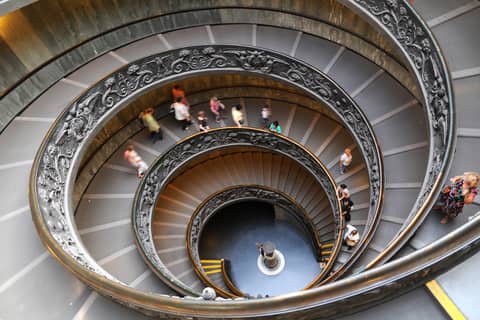 Want a closer look? Vatican: Museums & Sistine Chapel Entrance Ticket, from $36See times →
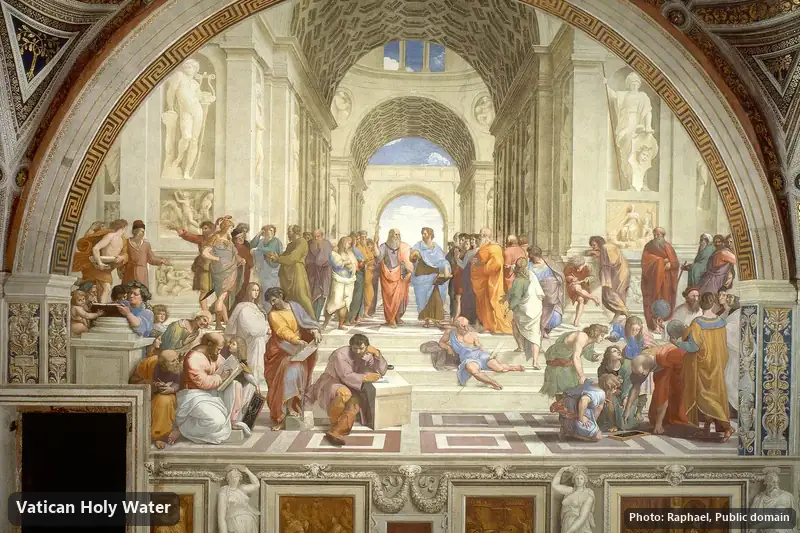
What Is the Difference Between the Holy See and Vatican City?
Holy See and Vatican City differ in that the first is the Church’s central government and the second is the independent territory that gives the pope a home base. They are separate legal bodies, even though people often say “Vatican” for both. The state was created in 1929.
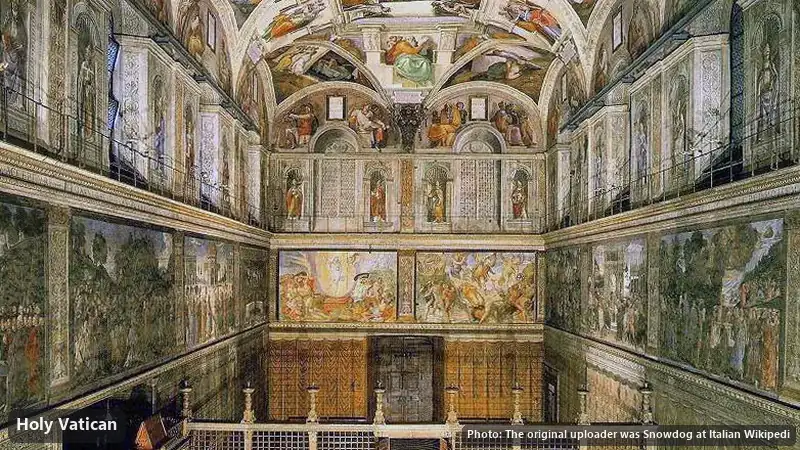 Book aheadVatican: Museums & Sistine Chapel Entrance TicketCheck availability · from $36
Wikipedia explains that the Vatican City State was established by the Lateran Treaty of 1929, agreed between the Holy See and the Kingdom of Italy. The treaty was meant to secure the temporal, diplomatic and spiritual independence of the papacy. Papal nuncios, the pope’s diplomats, represent the Holy See and not the city-state, as canon law prescribes.
Here is the comparison I use when someone asks me to explain it quickly.
| Point | Holy See | Vatican City State |
|---|---|---|
| What it is | Central governing body of the Catholic Church, per Wikipedia | Independent city-state enclaved in Rome |
| Started | Founded in the first century, by Catholic tradition | Established by the Lateran Treaty, signed in 1929 |
| Run by | The Roman Curia, with dicasteries like ministries | The pope as head of state |
| Diplomacy | Relations with 180 sovereign states | Not represented by nuncios |
| Official language | Latin | Italian and Latin |
| Type | Sovereign juridical entity under international law | Territory of 0.44 km² |
If this comparison is the part you need, I wrote a fuller version in Holy See and Vatican City compared. That page stays with the legal and political side, while this one stays closer to the visitor.
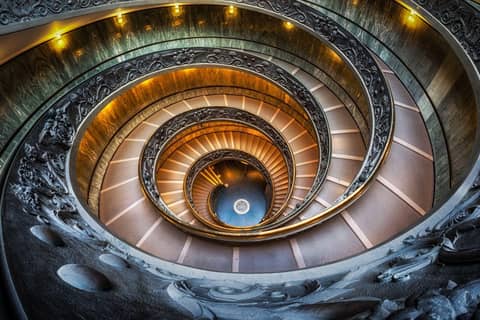 Skip the ticket line: Vatican Museums, Sistine Chapel & St. Peter's Basilica Tour, from $60Check dates →
Holy Vatican by the Numbers
Holy Vatican numbers show just how small and tightly organized the state is. I took each figure from Wikidata. Each one tells you something useful for planning a trip.
- Area: 0.44 km². You can cross the state on foot in minutes, so the real time goes into the museums and basilica queues, not the walking.
- Population: 949 in 2024. Almost nobody lives here, so services around you are for visitors, workers and pilgrims.
- Inception: 11 February 1929. This is the date tied to the treaty that created the state.
- Heritage designation: World Heritage Site. Expect strict rules on bags, clothing and photos in places that are protected.
- Currency: euro. Bring a card that works in euros for tickets and food nearby.
- Time zone: Central European Time, UTC+01:00. Match this when you read a ticket slot against your phone clock.
- Head of state: Leo XIV. The official site of the Holy See lists Pope Leo XIV on its home page.
 Short on time? St. Peter's Basilica Entry, Audioguide & Optional Dome Climb, from $22Book a slot →
Who Leads the Holy See and Vatican City Today?
The Holy See and Vatican City are both led by Pope Leo XIV, who heads the Holy See as the bishop of Rome and serves as head of state of Vatican City, according to Wikidata and the official Holy See website. The head of government of the city-state is listed as Raffaella Petrini.
The Holy See itself is administered by the Roman Curia. Wikipedia says the Cardinal Secretary of State is its chief administrator, and papal elections are carried out by members of the College of Cardinals. You do not need any of this to visit, but it helps to understand who the people in the news are.
For news and texts, the Holy See’s own site is the best place to look. It lists the pope’s messages, daily bulletins and the booking page for papal audiences and celebrations. I explain how to find your way around it in the Holy See’s official website.
 Prefer a guide? Rome: Papal Audience Tour With Reserved Access, from $41See tours →
Where Is the Holy Vatican and What Can You Visit?
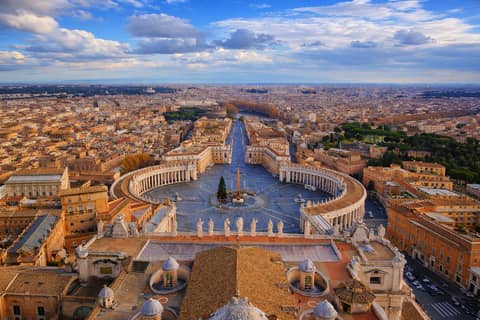
The holy Vatican lies in Rome, on the west bank of the Tiber, and offers three main visitor sites: the Vatican Museums, the Sistine Chapel and St. Peter’s Basilica. They stand close together, yet each uses a different entrance. Check each site’s rules before you go.
If you are not sure of the location in Rome, where is the Holy See? gives the map view and the nearby metro stops. The places below are the three you will hear about most.
Vatican Museums
Art museum · ★ 4.6 · 213,480 Google reviews
00120 Città del Vaticano, Vatican City
Opening hours
- Friday8 am–8 pm
- Monday8 am–8 pm
- Saturday8 am–8 pm
- SundayClosed
- Thursday8 am–8 pm
- Tuesday8 am–8 pm
- Wednesday8 am–8 pm
Sistine Chapel
Catholic church · ★ 4.7 · 98,723 Google reviews
00120 Città del Vaticano, Vatican City
Opening hours
- Friday8 am–8 pm
- Monday8 am–8 pm
- Saturday8 am–8 pm
- SundayClosed
- Thursday8 am–8 pm
- Tuesday8 am–8 pm
- Wednesday8 am–8 pm
Saint Peter’s Basilica
Basilica · ★ 4.8 · 185,703 Google reviews
Piazza San Pietro, 00120 Città del Vaticano, Vatican City
Opening hours
- Friday7 am–7:10 pm
- Monday7 am–7:10 pm
- Saturday7 am–7:10 pm
- Sunday7 am–7:10 pm
- Thursday7 am–7:10 pm
- Tuesday7 am–7:10 pm
- Wednesday7 am–7:10 pm
According to the Vatican Museums listing, the museums are open 8 am to 8 pm Monday to Saturday and closed on Sunday. The Sistine Chapel shows the same hours on its map listing. St. Peter’s Basilica shows 7 am to 7:10 pm every day. Hours change with holidays and church events, so I always tell readers to confirm on the official sites before they pick a day.
One note on St. Peter’s and the Holy See. Wikipedia says the actual cathedral of the Holy See is the Archbasilica of Saint John Lateran in Rome, not St. Peter’s. St. Peter’s is the church most associated with the papacy, but it sits inside Vatican City.
 Planning ahead? Rome: Vatican Museums, Sistine Chapel & Basilica Tour, from $71Check availability →
Holy Vatican Visitor Tickets Explained
Holy Vatican visitor tickets work differently by site: the Vatican Museums and the Sistine Chapel require a timed ticket, while St. Peter’s Basilica is free to enter but crowd control can limit access. A timed entry ticket is the simplest way to avoid standing in a long line. I would book before you travel, not on the day.
The first ticket I would look at is the Vatican Museums & Sistine Chapel entrance ticket. It costs $36.21 on GetYourGuide at the time of writing and has a 4.48 rating from 160,009 reviews. It gives you skip-the-ticket-line entry and an audio guide option, but it leaves out a guided tour and the basilica dome.
If you prefer a guide, the combined tour of the museums, the Sistine Chapel and St. Peter’s Basilica costs $60.17 and runs 2 to 3 hours. It lists skip-the-line access to the museums and the Sistine Chapel, and basilica entry if you select that option. Prices and slots change, so check them on the booking page and on the official museum site.
Vatican: Museums & Sistine Chapel Entrance Ticket
Powered by GetYourGuide · affiliate link
Vatican Museums, Sistine Chapel & St. Peter's Basilica Tour
Powered by GetYourGuide · affiliate link
I am an independent guide, not the official ticket office. These links go to a reseller with timed entry and clear inclusion lists. If you are still choosing between types, see every Vatican ticket type side by side and match one to your day.
One traveler who bought the entrance ticket said it was good value for money. A quote like that does not replace checking the inclusions yourself, but it matches the pattern in the review summary: timed entry makes access easier.
“value for money. I am glad that I choose this option. really helpful. thank you”
Which holy sites does each ticket cover?
The holy sites each ticket covers differ: the museum ticket takes in the museums and the Sistine Chapel, where Michelangelo’s Creation of Adam is the highlight listed on the ticket page. It does not cover the basilica or the dome. The basilica entry is free, and the tour listing says the dome needs its own access.
St. Peter’s also offers a separate audio ticket. The St. Peter’s Basilica entry, audio guide and optional dome climb costs $21.72 and includes timed reserved entry tickets and self-guided audio in 15 languages. Its listing says it does not include skip-the-line access or a live guide. It also mentions holy doors among the things the audio explains.
Holy doors raise a separate question about access and dates. I keep that on its own page, holy door tickets, so you can check the current rules there.
St. Peter's Basilica Entry, Audioguide & Optional Dome Climb
Powered by GetYourGuide · affiliate link
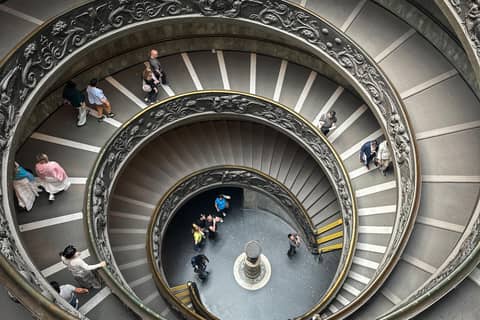 Most booked this week: Vatican Museums & Sistine Chapel Skip-the-Line Entry Ticket, from $53See prices →
How Can You Attend Holy Mass at the Vatican?
Holy Mass at the Vatican is held inside St. Peter’s Basilica every day, at several set times. On weekdays the first Masses are at 7:00 and 7:30 a.m. at the Altar of St. Joseph, according to the basilica’s Holy Masses page. The last weekday Masses are at 5 and 6 p.m. at the Altar of the Cathedra.
The same page lists these weekday times: 7:00, 7:30, 8:30 (in the Chapel of the Blessed Sacrament, followed by Eucharistic Adoration until 6:45 p.m.), 9:00 and 10:00 at their altars, then 11:00 a.m., 12 noon, 5 p.m. and 6 p.m. at the Altar of the Cathedra. On holidays the schedule changes: 7:00 and 8:00 a.m. at the Altar of St. Joseph, then 9:00, 10:30 a.m., 12:30, 4:00, 5:00 and 6:00 p.m. at the Altar of the Cathedra, with Vespers at 5:00 p.m. in the Choir Chapel.
Dress modestly and go through security as for any visit. For the rules that apply to each type of Mass, see Vatican holy mass times and rules, and always confirm the day’s schedule on the basilica site, since it can change.
Best value pick: Vatican: Museums & Sistine Chapel Entrance Ticket, from $36View dates →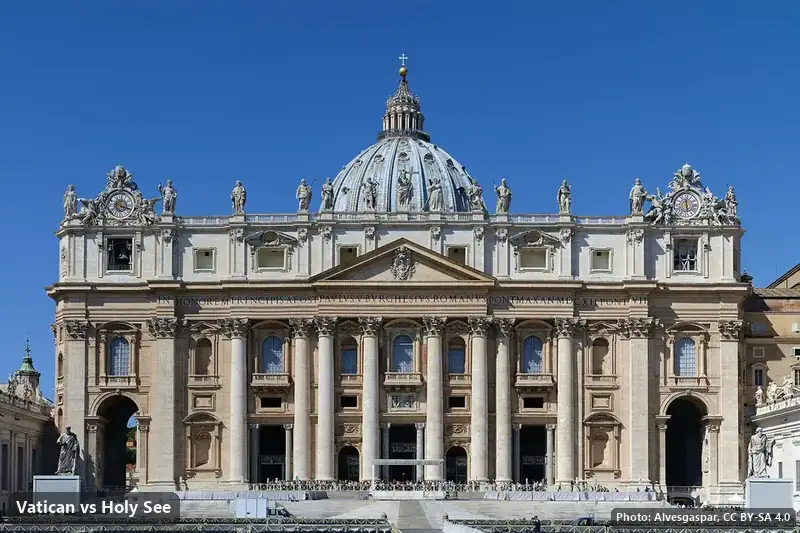
How Do You See the Pope at the Holy Vatican?
Seeing the pope is easiest at the weekly General Audience. The official Holy See site lists a booking page for tickets for papal audiences and celebrations, and its news feed shows a General Audience on Wednesday 4 November 2026.
You can also join a tour that handles the paperwork. The Rome papal audience tour with reserved access costs $41.23, lasts 3.5 hours and has a 4.76 rating from 1,570 reviews. It includes a guided tour, headsets and a free audience ticket, except in August, when the Vatican does not print them. The meeting point is at the coffee shop in the middle of the square, 15 minutes before 7:00 AM, and late guests miss the tour.
The review summary says guides help with security and crowds and secure good seats, though proximity to the pope is not guaranteed. One American traveler wrote about it this way.
“I was very blessed to see Pope Leo on Wednesday. Our guide found us a place close to where the Pope traveled through.”
Rome: Papal Audience Tour With Reserved Access
Powered by GetYourGuide · affiliate link
Vatican: Museums & Sistine Chapel Entrance Ticket
Powered by GetYourGuide · affiliate link
My advice: if you want a place with a clear view, book the reserved option or use the official booking page well ahead. Keep the Museums for another day, since the audience ties up your morning. Remember that the pope’s own schedule, which includes apostolic journeys listed on the official site, can change what is on offer.
Going with family? Vatican Museums, Sistine Chapel & St. Peter's Basilica Tour, from $60Compare tickets →Which Holy Vatican Sites Should You Prioritize?
Prioritizing holy Vatican sites comes down to two plans if you only have a single day. Either start with the Museums and the Sistine Chapel in the morning, then visit the free basilica, or reverse it if you want a quiet start. The museum slots are timed, so they decide the day’s shape.
The Pietà and Bernini’s baldachin are the highlights listed for the basilica on the combined tour page. The Sistine Chapel holds Michelangelo’s Last Judgment and Creation of Adam. These are the stops most visitors are looking for when they say they want to see the holy Vatican.
One Maps reviewer said the basilica is a free place with huge scale and artwork, and that a free visit takes about 40 minutes. Another said the Museums were a rush when they arrived late in the day and went around the galleries before closing. I take both comments as a sign to arrive early and book a slot.
“Do not miss this place for a FREE location! This is the most beautiful church I've ever been to. Once your through security and the main doors, you are truly hit by the size and artwork. We got there 645am and already there's a line but got in very quickly. If your just there for free visit, you can see most of it in 40mins. Pay extra for the other locations.”
For a meal after the visit, the Ristorante Pizzeria Castello on Via delle Fornaci is open 11 am to 11 pm daily, per its map listing. It has a 4.7 rating from 18,643 reviews.
Want a closer look? St. Peter's Basilica Entry, Audioguide & Optional Dome Climb, from $22See times →Plan Your Holy Vatican Visit
Plan your holy Vatican visit by learning the two names, choosing your sites, and booking the timed items first. Start with the museum ticket or a guided tour, then add the basilica, and keep the audience or a Mass for a separate morning.
Here is my short list:
- Read the About Vatican City hub for background on the state.
- Use the Vatican overview page to pick which sights fit your days.
- Check opening hours and closures on the official sites linked above.
- Book a timed ticket from the tours listed here if you want skip-the-line entry.
I would book the entrance ticket or the combined tour first, because slots are the part that run out. Everything else in the holy Vatican, from the basilica to a Mass, is easier to fit around that fixed time. Confirm all prices and hours on the official pages the week you travel.
Skip the ticket line: Rome: Papal Audience Tour With Reserved Access, from $41Check dates →Top-rated Vatican tickets and tours
Vatican: Museums & Sistine Chapel Entrance Ticket
Powered by GetYourGuide · affiliate link
Vatican Museums, Sistine Chapel & St. Peter's Basilica Tour
Powered by GetYourGuide · affiliate link
St. Peter's Basilica Entry, Audioguide & Optional Dome Climb
Powered by GetYourGuide · affiliate link
Frequently asked questions
Why is Vatican so powerful?
The Holy See holds the status of a sovereign juridical entity under international law. It keeps diplomatic relations with 180 sovereign states and takes part in organizations such as the United Nations and the European Union. That reach comes from its role as the central government of the worldwide Catholic Church.
Why is it called the Holy See?
The word see comes from the Latin sedes, meaning seat, and refers to the bishop's throne, the cathedra. Wikipedia notes that only the see of the pope is addressed symbolically as holy. So Holy See means the holy seat of the Bishop of Rome.
Is St. Peter's Basilica the cathedral of the Holy See?
No. St. Peter's Basilica is the church most associated with the papacy, but the actual cathedral of the Holy See is the Archbasilica of Saint John Lateran in Rome. St. Peter's sits inside Vatican City.
Do you need a ticket to enter St. Peter's Basilica?
Entry to St. Peter's Basilica is free of charge, but access is not guaranteed and may vary with crowd control. Extras such as the dome are separate, and you can add them through a timed ticket.
How many people live in Vatican City?
Wikidata lists the population of Vatican City as 949 in 2024. The state covers 0.44 square kilometers, which makes it very small for a country with this much global attention.
Keep planning your visit
More About Vatican City guides
Online Vatican Tickets is an independent visitor guide. Prices and hours change: check the official Vatican Museums website before you go. Tour links are GetYourGuide affiliate links.